Tribulus supplement labels may say “90% saponins,” “45% protodioscin,” “Bulgarian raw,” or simply “Tribulus terrestris 1000 mg.” Which of these is really important, and which is marketing? The editors analyzed the forms of tribulus release, the features of the raw material and the criteria by which the product should be chosen.
Why raw materials decide everything
Tribulus slanki grows in a large area - from the Balkans to India and China. A study by Dinchev et al. (2008) showed that the composition of steroidal saponins in plants from different regions differs significantly. Samples from Bulgaria, Turkey and Macedonia had a similar profile with high protodioscin content, while individual samples from other regions were completely absent from some saponins.
This means that "tribulus" from different countries is actually different raw materials with different chemistry. That is why manufacturers often emphasize the origin, for example, Bulgarian or Balkan. However, the mere indication of the region without laboratory confirmation of the composition does not guarantee much.
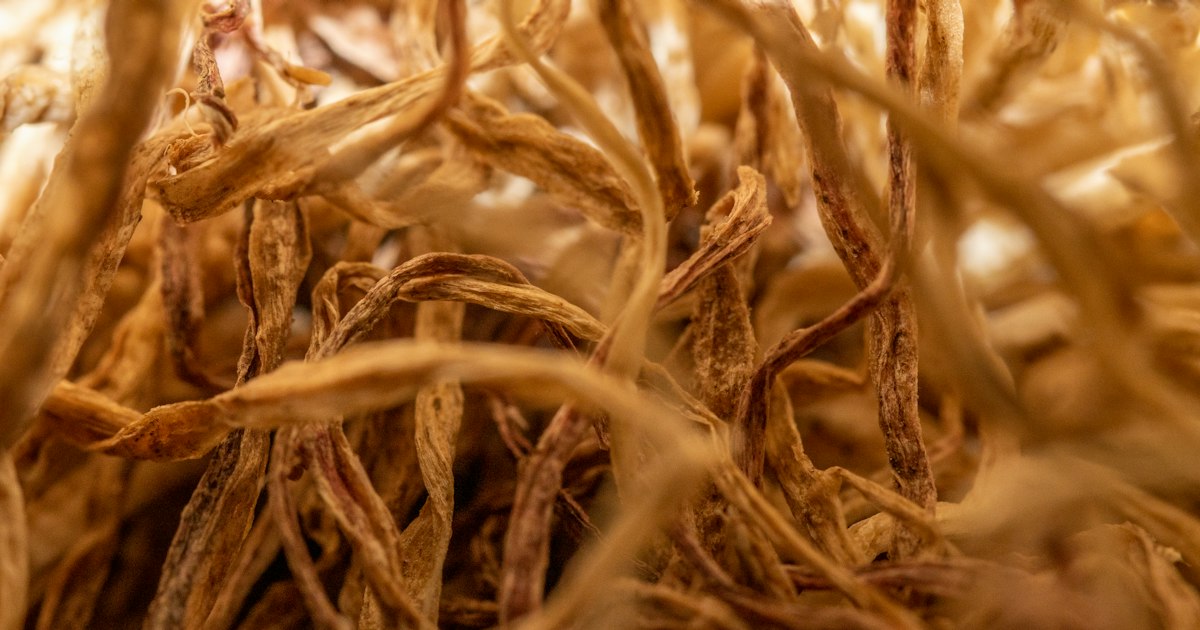
It is also important which part of the plant is used. For extracts, take the aerial part, fruits or root. The distribution of saponins in different organs of the plant is different, and most commercial products use the aerial part or fruits.
The standardized extract used in the study by Kamenov et al. (2017), with positive results on erectile function, was made from controlled raw materials with a guaranteed content of furostanol saponins. The results of such a study cannot be automatically transferred to any cheap product with the name "tribulus".
Release forms: comparison
Tribulus is sold in several basic formats. They differ not only in convenience, but also in the predictability of the composition. The table below will help you orient yourself.
| Form | Characteristics | Pros | Cons |
|---|---|---|---|
| Ground herb / plant powder | Dried aerial part without extraction | Cheap | Low and unknown saponin content, large doses required |
| Extract without standardization | Concentrate with unspecified composition | Compact dose | Unpredictable content of active compounds |
| Extract standardized for saponins | Guaranteed percentage of total saponins | Better quality control | The percentage depends on the analysis method |
| Extract standardized to protodioscin | Guaranteed content of a specific marker | The most informative standardization | Higher price, less common |
| Combined "boosters" | Tribulus mixed with other substances | All-in-one convenience | Small doses, opacity, possible stimulants |
Capsules and tablets are the most common and convenient format. They allow you to accurately dose the product and mask the bitter taste of saponins. Tablets sometimes contain more excipients, but this does not significantly affect the effectiveness.
The extract powder is cheaper per gram, but very bitter and requires an accurate measuring device. It is inconvenient for most people, so it is chosen mainly by those who make their own supplement mixtures.
Liquid extracts and tinctures occur less often. Their disadvantage is the difficulty of accurate dosing and, as a rule, the lack of information about standardization. Decoctions were also used in traditional medicine, but for the modern consumer this is the least predictable option.

What percentages of saponins mean
The most common mark on the label is the percentage of saponins: 40%, 60%, 90% and even more. It would seem that the higher the percentage, the better. In fact, this figure is highly dependent on the analysis method. Gravimetric and spectrophotometric methods can overestimate the result, because they "count" as saponins other compounds with similar properties.
The method of high-performance liquid chromatography (HPLC) is more accurate, which allows determining the content of specific compounds, in particular protodioscin. If the manufacturer states only "90% saponins" without an analysis method, this figure should be treated with skepticism.
A review by Pokrywka et al. (2014) noted the significant variability in the composition of tribulus products on the market. For the consumer, this means that two cans with the same dose on the label may contain very different amounts of active ingredients.
The ideal option is a product for which the manufacturer provides a certificate of analysis of the lot indicating the method, the content of marker compounds, as well as the results of testing for heavy metals, pesticides and microbiological purity.
Single product or combined booster
Much of the tribulus on the market is sold as part of "testosterone complexes" along with zinc, magnesium, vitamin B6, D-aspartic acid, fenugreek, maca, and sometimes with stimulants. Such products are attractive in terms of marketing, but have significant drawbacks.
- Low doses. Each component is often present in quantities much smaller than those investigated.
- Proprietary mixtures. Only the total mass of the mixture is indicated, without the doses of individual ingredients.
- Stimulants. Caffeine, yohimbine, and others can cause insomnia, tachycardia, and increased blood pressure.
- Risk of contamination. The "booster" category is traditionally the most risky in terms of hidden anabolic substances.
Monoproduct allows you to know exactly what and in what dose you are taking, to assess the effect and tolerability. If an adverse reaction occurs, it is easy to determine its source. That is why, for the first acquaintance with tribulus, the editors recommend choosing a single product.
A combination product can make sense if it clearly states the doses of all components and they correspond to those studied. But there are few such products, and their cost is usually higher than the cost of individual supplements.
For athletes undergoing doping control, the choice is even stricter: only products with independent certification for the absence of banned substances, as recommended by the IOC consensus (Maughan et al., 2018).
Buyer's Checklist
To summarize, the editors suggest a short check before you buy. It does not guarantee the result, but it helps to weed out the lowest quality offers.
Check that the label says it is an extract and what part of the plant is used. See if there is standardization and by which compounds — general saponins or, better, protodioscin. Compare the dose of the extract per serving to the doses used in studies, which are approximately 250-750 mg per day.
Ask the seller or find the batch analysis certificate on the manufacturer's website. The absence of any documentation for a product with high promises is a good reason to choose another.
Pay attention to the storage conditions: the extracts are hygroscopic, so the package must be tightly closed with a moisture absorber. Store the product at room temperature, away from light and moisture, and do not use after the expiration date.
Editorial conclusions
The composition of tribulus depends on the region of origin and the part of the plant, so the name on the label alone does not guarantee anything. Ground grass and non-standardized extracts are the least predictable options.
The most informative mark is standardization for protodioscin or saponins with the specified method of analysis, confirmed by the batch certificate. A high percentage of "saponins" without a method may be a marketing figure.
A monoproduct is more convenient for dose and tolerability control than combined "boosters" with an opaque composition and possible stimulants.
We also recommend reading "How to take Tribulus: dosage, time of administration, duration", "Who should not take Tribulus" and "Tongkat ali: release forms and which one to choose".
List of used literature
- Dinchev D, Janda B, Evstatieva L, et al. Distribution of steroidal saponins in Tribulus terrestris from different geographical regions. Phytochemistry. 2008;69(1):176â186.
- Pokrywka A, ObmiÅski Z, Malczewska-Lenczowska J, et al. Insights into supplements with Tribulus terrestris used by athletes. J Hum Kinet. 2014;41:99â105.
- Kamenov Z, Fileva S, Kalinov K, Jannini EA. Evaluation of the efficacy and safety of Tribulus terrestris in male sexual dysfunction â a prospective, randomized, double-blind, placebo-controlled clinical trial. Maturitas. 2017;99:20â26.
- Chhatre S, Nesari T, Somani G, Kanchan D, Sathaye S. Phytopharmacological overview of Tribulus terrestris. Pharmacogn Rev. 2014;8(15):45â51.
- Qureshi A, Naughton DP, Petroczi A. A systematic review on the herbal extract Tribulus terrestris and the roots of its putative aphrodisiac and performance enhancing effect. J Diet Suppl. 2014;11(1):64â79.
- Maughan RJ, Burke LM, Dvorak J, et al. IOC consensus statement: dietary supplements and the high-performance athlete. Br J Sports Med. 2018;52(7):439â455.